Solar energy has become increasingly popular as a sustainable and cost-effective energy solution. But why are solar cells a good choice? While traditional energy sources contribute to environmental degradation and climate change, solar cells offer a clean and renewable source of energy. In this article, we’ll explore why solar panels are important and how they work to produce electricity and heat from the sun’s rays, and answer the question: Why are solar panels a good choice?

Why Are Solar Cells Good for the Environment?
Solar cells play a crucial role in reducing our carbon footprint and protecting the environment. By using the sun’s rays to generate electricity, we can reduce our reliance on fossil fuels such as coal and natural gas, which are known to produce large amounts of greenhouse gases. By choosing solar cells as an energy source, we can reduce our dependence on these non-renewable resources and thereby lessen our impact on the climate.
Solar panels are also an excellent option for reducing air and water pollution. Unlike traditional electricity generation, which produces hazardous emissions and pollutes our ecosystems, solar panels are completely clean and do not contribute to any form of pollution. By using solar panels, we can protect our air quality and water resources, resulting in a cleaner and healthier environment for us and future generations.
Long-Term Benefits of Solar Cells
In addition to the immediate environmental benefits, solar panels also offer long-term financial benefits and energy savings. By installing solar panels on your home or business, you can significantly reduce your energy costs. Solar energy is free and unlimited, which means you no longer have to rely on ever-rising electricity prices. By investing in solar panels, you can generate your own electricity and reduce or eliminate your need to purchase electricity from the grid.
Another advantage of solar panels is their long lifespan and minimal maintenance. Solar panels are designed to be durable and robust, which means they can operate efficiently for many years with minimal need for repairs or replacement. This makes solar panels a long-term investment that can provide a return over an extended period.
How Do Solar Cells Work?
To understand how solar cells work and why they are beneficial, we need to look at their structure and the process by which they convert the sun’s rays into electricity. Solar cells are made of semiconductor material, usually silicon, which can absorb the sun’s energy and generate electricity through a process called the photovoltaic effect.
When the sun’s rays hit the solar cells, the electrons in the semiconductor material are excited and released from their atoms. These free electrons then move through the solar cells, creating an electric current. By connecting several solar cells together in a solar panel, we can increase the total amount of electricity generated.
In order to use the generated direct current in our homes and businesses, it must be converted to alternating current by an inverter. The alternating current can then be used to power our appliances and lighting, or it can be fed into the power grid to be sold back to the utility company.
Solar Panels at Home: Benefits and Installation
An increasingly common way to harness solar energy is to install solar panels on your own home. Home solar panels offer several benefits, both financial and environmental. By generating your own electricity, you can reduce your energy costs and become more self-sufficient in terms of energy.
To install solar panels on your home, you first need to assess your roof area and make sure it is suitable for solar panels. The roof should be in good condition and have enough space to accommodate the solar panels. It is also important to consider the roof’s orientation and pitch to maximize solar radiation and, consequently, the efficiency of the solar panels.
The next step is to choose the right solar panel system and size it according to your energy needs. There are different types of solar panels to choose from, including monocrystalline, polycrystalline, and thin-film panels. Each type has its own advantages and disadvantages, so it’s important to do thorough research and consult an expert to choose the best option for your needs.
Once you have selected a solar power system and sized it correctly, installation can begin. It is important to hire a certified and experienced installer to ensure that the solar panels are installed correctly and efficiently. After installation, you will also need to monitor and maintain the solar power system regularly to ensure its long-term performance and efficiency.
Solar Panels on a Carport: A Smart Charging Solution
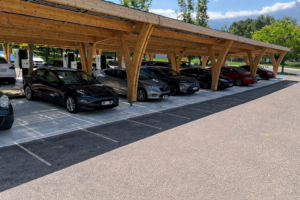
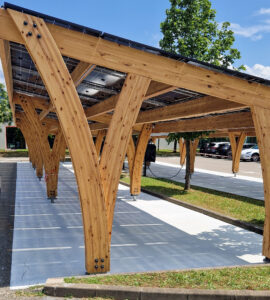
Another answer to the question—why are solar panels a good idea?—is that you can integrate them into a carport. A solar carport combines the benefits of solar panels with protection for your vehicles. By installing solar panels on the roof of a carport, you can generate your own electricity while protecting your cars from the elements.
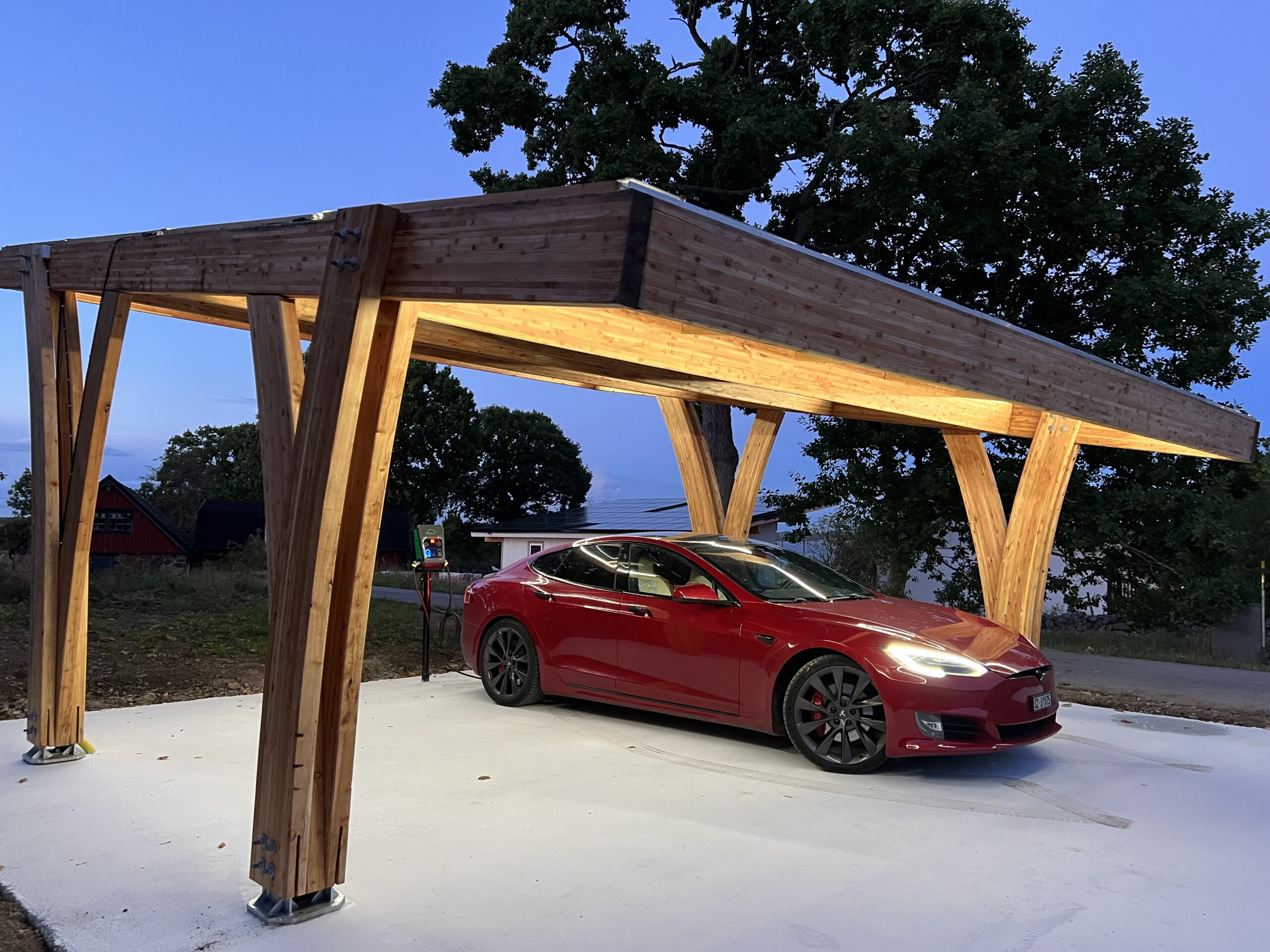
A solar carport works the same way as solar panels at home, where the sun’s rays are absorbed by the solar panels and converted into electricity. The electricity generated can then be used to charge your electric cars or to power other electric vehicles. The solar carport can also be connected to the power grid, allowing you to sell any surplus electricity back to the utility company.
The benefits of a solar carport extend beyond the economic and environmental aspects. It provides a practical and convenient way to charge your vehicles using solar energy and reduces your reliance on traditional fuels. In addition, the solar carport provides shelter for your vehicles and can also serve as an extra outdoor space or storage area.
The Future of Solar Cells and Solar Energy
Solar panels play an important role in the energy transition and the shift toward a sustainable future. With technological advances and falling costs for solar panels, their use and installation are expected to increase significantly. Solar panels are becoming increasingly accessible and affordable, making them an attractive option for both homeowners and business owners.
The future of solar energy looks bright, and there is great potential for further innovations and improvements in solar cell technology. Researchers and engineers are constantly working to develop more efficient solar cells and new materials to improve their performance and durability. This will lead to even greater use of solar energy and a faster transition to a clean and sustainable energy future.
As individuals, we can also contribute to this sustainable future by choosing solar panels as our primary energy source. By investing in solar panels, we can not only reduce our carbon footprint and save money on energy costs, but also be part of the solution to reduce our dependence on fossil fuels and preserve our planet for future generations.
Make solar panels part of your sustainable lifestyle and help create a cleaner, more sustainable future for all of us. Take the first step toward solar energy today and experience the benefits of generating your own clean energy from the sun’s rays.