A sustainable home is a residence designed to minimize its environmental impact, maximize energy efficiency, and create a healthy and comfortable environment for its residents. This is achieved through the use of sustainable materials, efficient energy systems, and smart home technology.
What is a sustainable house?
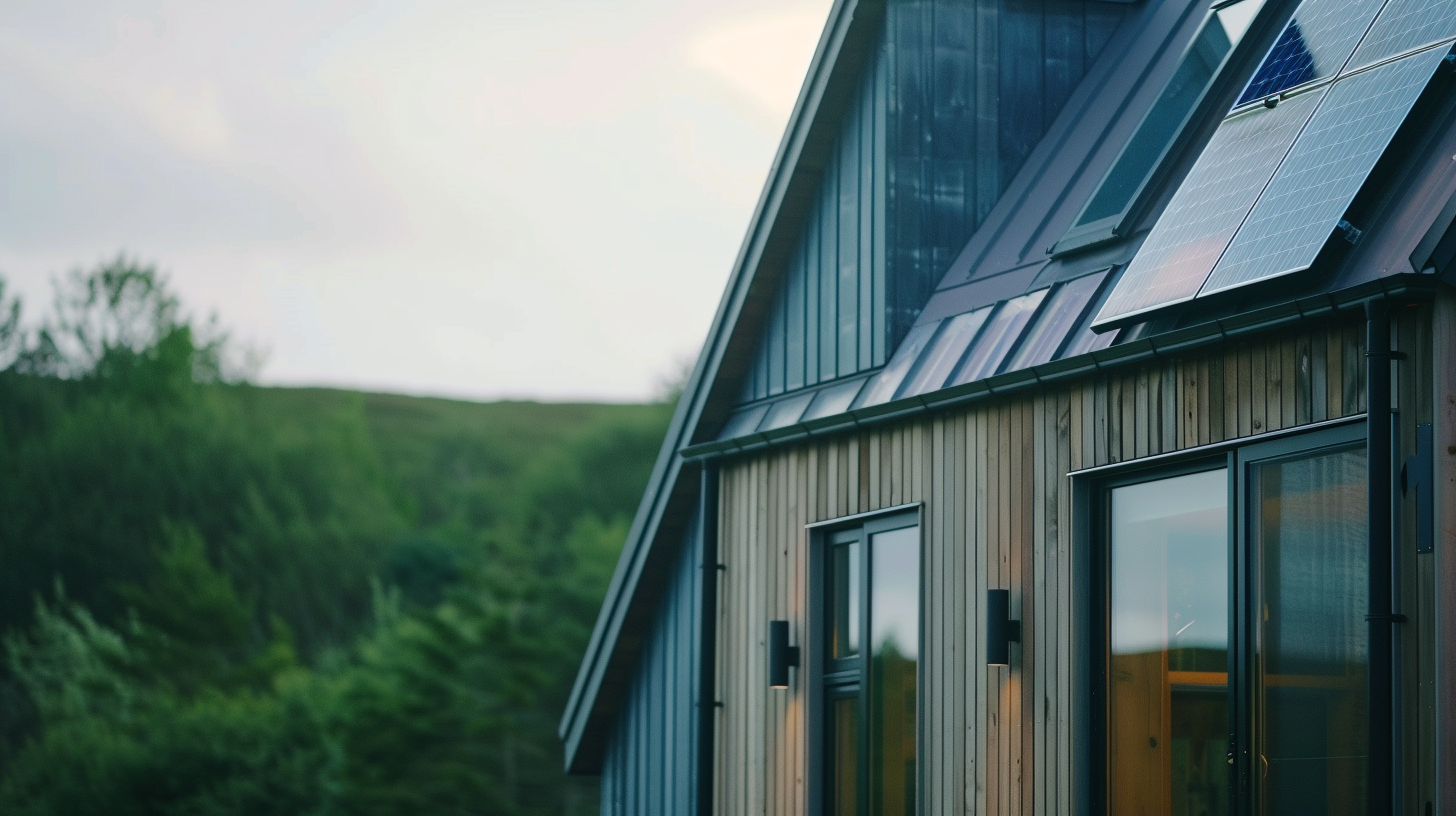
Sustainable homes are no longer a distant dream, but a reality we can actively strive for. With the help of modern technology and innovative solutions, we can create homes that are self-sufficient, energy-efficient, and environmentally friendly. In this article, we will explore the concept of a sustainable home and how we can make it a reality.
Materials
Sustainable homes use eco-friendly building materials that have a low environmental impact and contribute to a healthy indoor environment. These may include recycled, reused, or renewable materials.
Energy systems
Sustainable homes use energy-efficient systems to minimize energy consumption and maximize the use of renewable energy. This can include solar panels, wind turbines, and energy storage solutions.
Smart home technology
Sustainable homes use smart technologies to improve energy efficiency and comfort for residents. This can include smart lighting, energy-efficient appliances, and home automation systems.
The Sustainable Homes of the Future
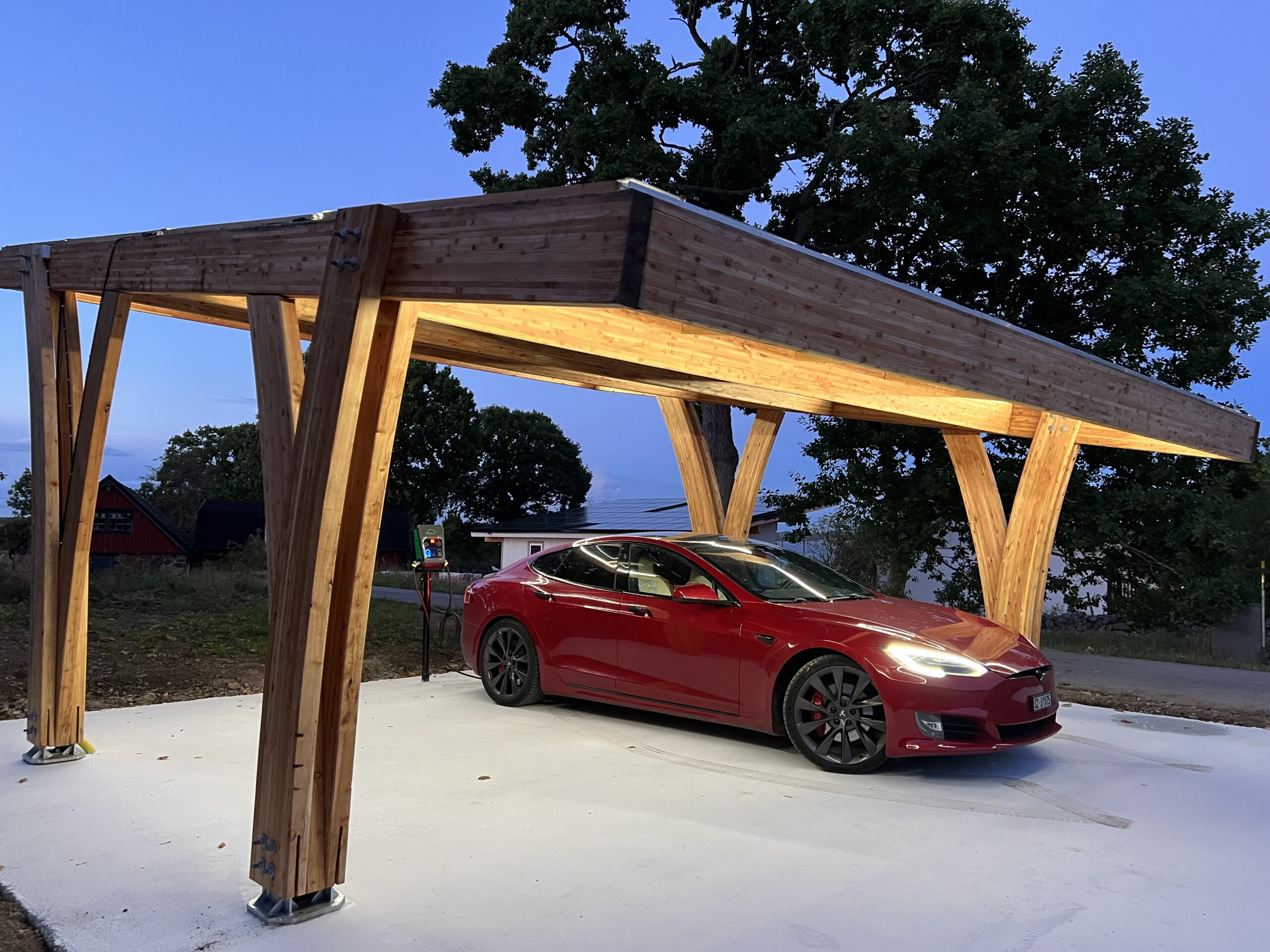
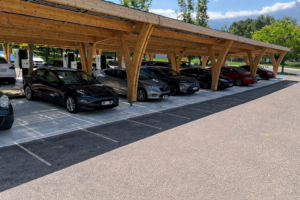
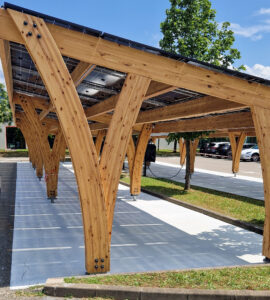
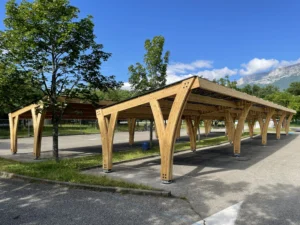
Our waterproof solar carport is a smart and efficient solution for generating enough green energy.
The sustainable homes of the future will be even more energy-efficient and environmentally friendly. They will make full use of renewable energy, employ smart technologies to optimize energy use, and have systems in place to recycle and reuse resources.
Renewable energy
The sustainable homes of the future will make the most of renewable energy. This may include solar power, wind power, and perhaps even hydroelectric power. These homes will have efficient systems for generating, storing, and using this energy.
Solar energy
Solar energy will be a key component of the sustainable homes of the future. Solar panels will become even more efficient and affordable, enabling more households to benefit from this clean and renewable energy source.
Wind energy
Wind energy will also play an important role in the sustainable homes of the future. Small-scale wind turbines can be used to generate electricity, especially in areas with strong and consistent winds.
Energy storage
To maximize the use of renewable energy, the sustainable homes of the future will feature efficient energy storage systems. These systems will store excess renewable energy for use when the sun isn’t shining or the wind isn’t blowing.

Resource Management
The sustainable homes of the future will also feature systems for recycling and reusing resources. This may include systems for collecting and using rainwater, recycling graywater, and composting organic waste.
Smart technology
Smart home technology will be a central part of the sustainable homes of the future. These technologies will help optimize energy use, improve comfort and safety for residents, and even assist in monitoring and maintaining the home.
Building a sustainable home
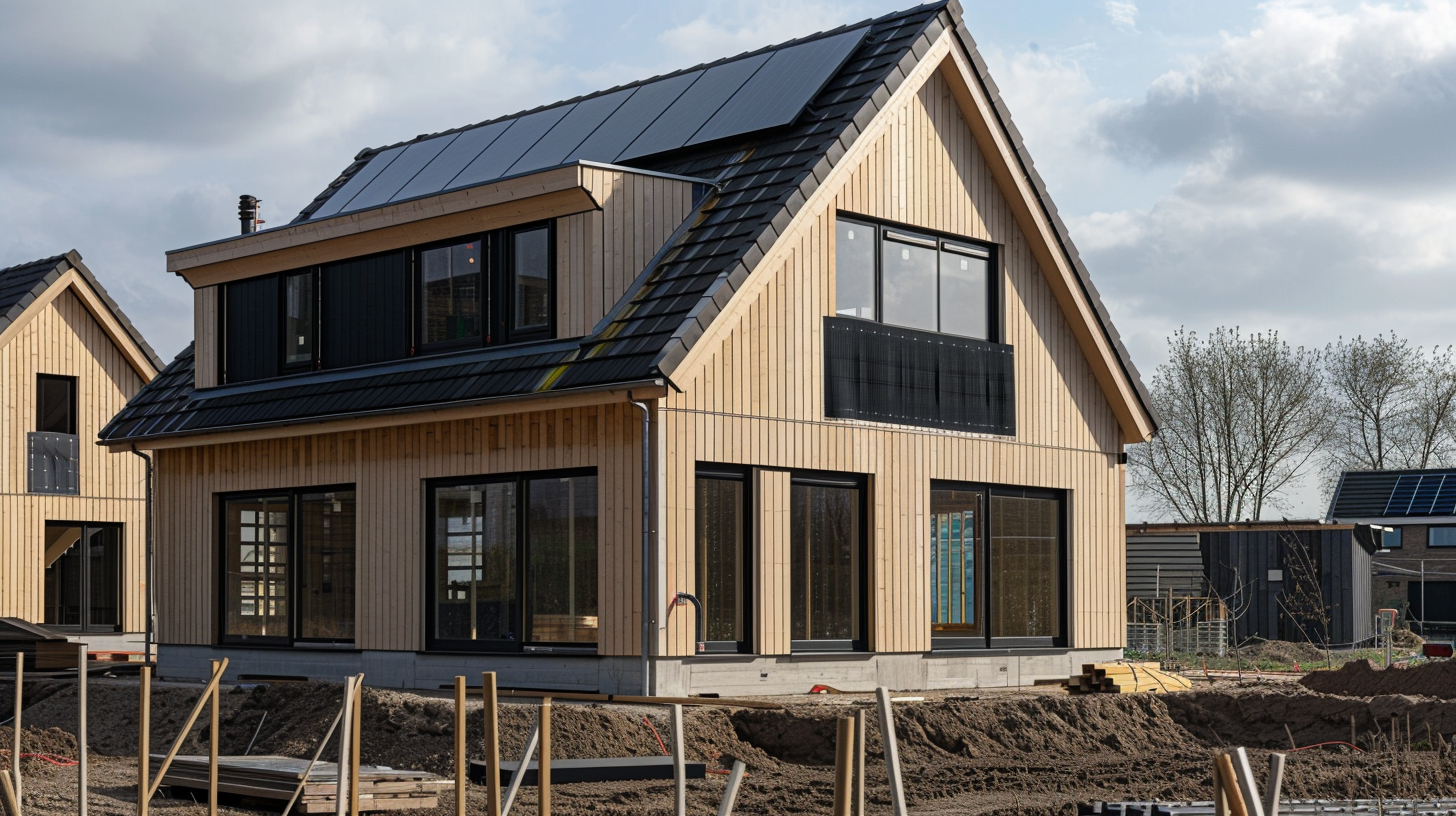
Building a sustainable home requires careful planning and design, as well as a commitment to adhering to sustainable principles throughout the entire construction process.
Here are a few steps to consider.
Planning and Design
The first step in building a sustainable home is to plan and design it in a way that minimizes its environmental impact, maximizes energy efficiency, and creates a healthy and comfortable environment for its residents. This may involve choosing a suitable location, orienting the home to maximize sunlight, and incorporating features such as large windows to allow for natural light and ventilation.
Choice of materials
Choosing materials is another important step in the construction process. Sustainable homes use eco-friendly building materials that have a low environmental impact and contribute to a healthy indoor environment. This may include recycled, reused, or renewable materials.
Installation of energy systems
The third step is to install energy-efficient systems to minimize energy consumption and maximize the use of renewable energy. This may include solar panels, wind turbines, and energy storage solutions.
Integration of smart technology
Finally, sustainable homes use smart technologies to improve energy efficiency and comfort for residents. This can include smart lighting, energy-efficient appliances, and home automation systems.
A reality we can all strive for
The sustainable home is no longer a distant dream, but a reality we can actively strive for. By using sustainable materials, efficient energy systems, and smart home technology, we can create homes that are self-sufficient, energy-efficient, and environmentally friendly. While it requires careful planning and design, as well as a commitment to following sustainable principles throughout the entire construction process, the benefits of a sustainable home are well worth the effort.