Solar Cells of the Future: A Forecast for Solar Energy in Our Homes
Solar cell technology is constantly evolving and offers a promising future for renewable energy in our homes. Given the potential benefits of solar energy, it is clear that the possibilities are vast:
- Technological Advances: According to the report “The Future of Solar Energy,” photovoltaics (PV) and concentrated solar power (CSP) will dominate solar energy production through 2050. This means that technological innovations such as the use of nanomaterials to increase the efficiency of solar cells and transparent solar panels integrated into windows will contribute to the growth of solar energy. In addition, artificial intelligence will optimize the performance of solar systems, increasing the potential for solar energy in our homes (Read more about technological advances in solar energy).
- Affordability: The cost of solar panels has fallen sharply in recent years, making solar energy an increasingly cost-effective form of energy. In Australia, for example, more than 30% of households already use rooftop solar panels. This demonstrates the growing acceptance and accessibility of solar energy as a sustainable and economically advantageous solution for home energy needs (Explore the economic benefits of solar energy).
- Policy and Regulations: To encourage the transition to renewable energy, initiatives and programs at the national and international levels have promoted the adoption of solar energy through renewable energy targets and policies such as feed-in tariffs or renewable portfolio standards. This support from governments and regulatory bodies is crucial for increasing the use of solar energy in Sweden and globally. For example, the Albanian government has committed to reducing emissions by 43% by 2030 and achieving net-zero emissions by 2050, with a focus on enabling more Australians to access solar power (Read more about solar energy policy).With these points in mind, as a homeowner or stakeholder in renewable energy, you can feel encouraged about the future of solar energy. Solar panels will play an increasingly important role in the transition to sustainable homes, and it’s time to consider how you can integrate these technologies into your own life. Solar energy in Sweden and other markets is facing a revolutionary change, and it’s important that we all be part of this positive development.
Why Solar Energy Is the Future of Sustainable Homes
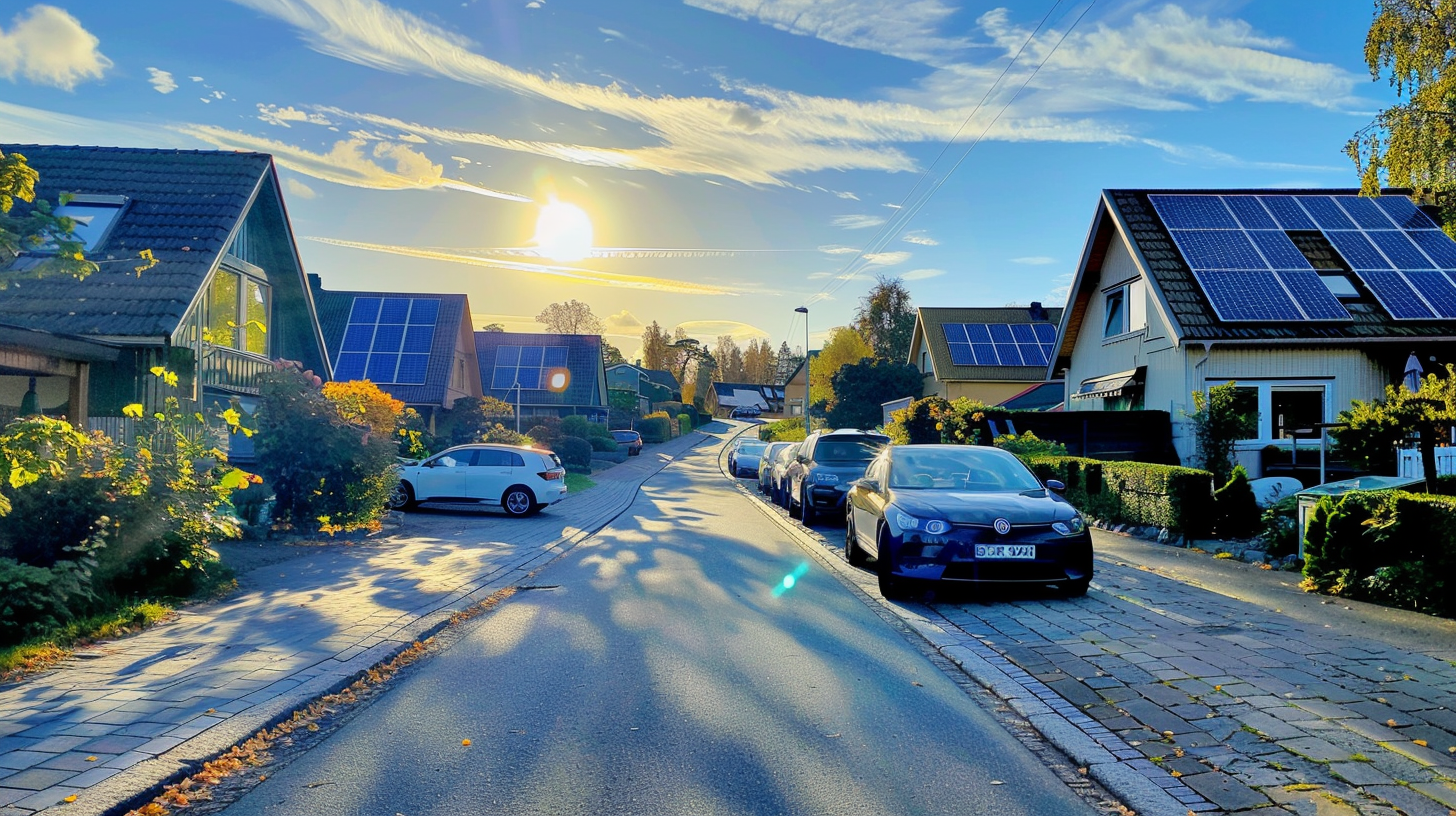
Solar energy is a clean, renewable, and abundant source of energy that converts sunlight into electricity through photovoltaic (PV) panels or concentrated solar power (CSP) systems. This form of energy is particularly advantageous because it is derived from solar radiation and captured by solar panels, which consist of PV cells that convert sunlight into electricity. The efficiency of solar panels depends on the amount of sunlight that hits them, making them most effective in areas with high solar radiation. Given that Australia ranks third in the world in terms of PV installations, it is clear that solar energy is gaining ground globally. If all solar energy could be converted and stored, it could meet global electricity demand for 10,000 years, demonstrating its enormous potential as a sustainable energy source.
- Reduced dependence on fossil fuels: Solar energy reduces dependence on fossil fuels, cuts carbon dioxide emissions, and promotes energy independence. This is crucial because the world currently relies heavily on non-renewable fossil fuels for energy, which account for over 80% of the supply. Installing solar panels future-proofs homes by preparing them for renewable energy, with battery storage systems that maximize solar energy efficiency.
- Financial Benefits: Households and businesses can save over 75% on their energy bills by using solar energy with the right design and net metering. In addition, the cost of solar panels has steadily declined over the past decade, making it more accessible to homeowners and businesses. Solar energy creates a more resilient and reliable energy system because it is decentralized and not vulnerable to disruptions such as natural disasters, cyberattacks, and equipment failures.
- The Future of Solar Energy: The future of solar energy looks bright, with advances in technology and falling costs. As more individuals and businesses embrace this abundant energy source, we can expect a cleaner environment, reduced dependence on fossil fuels, and a sustainable future for generations to come. Solar energy is transforming the way we power our homes in several ways, including allowing homeowners to generate their own electricity, enabling homeowners to live completely off-grid, reducing the carbon footprint of homes, and increasing home values. Solar energy in Sweden and other markets is facing a revolutionary shift, and it is important that we all be part of this positive development. With solar panels in the future, we can expect to see an increase in clean and sustainable homes, powered by the unlimited energy of the sun.
Economic and environmental benefits of solar energy
Solar energy has a significant impact on the economy and job creation, with approximately 3.4 million people worldwide employed in the solar industry. Your decision to invest in solar panels is not only a step toward a more sustainable future but also a catalyst for economic growth and employment. Source
When solar energy systems are in operation, they do not produce air pollution or greenhouse gases, making them a clean energy source that protects our environment. A PV system can produce energy equivalent to the energy used in its manufacture within 1 to 4 years, and most systems have a lifespan of up to 30 years or more, meaning they contribute to a cleaner planet for a long time. Read more
Here are some of the financial and environmental benefits of solar energy that you can expect in your home:
- Financial Savings: Solar energy reduces your electricity bills and can lead to a quick return on investment thanks to savings on electricity bills and solar energy programs. In addition, solar energy systems retain an average of 97% of their value and add approximately $12,000 to a home’s value. Source
- Long-term performance: Over a 30-year period, PV panels will provide 80% of their original output, and homes with solar power can reduce their energy bills by 14–54%. Source
- Environmental Protection: By switching to solar energy, you help reduce greenhouse gas emissions, protect the Earth’s water resources, lower the risk of oil spills, and slow down climate change. Source: Solar energyin Sweden and other markets is facing a revolutionary change, and it is important that we all be part of this positive development. With solar panels in the future, we can expect to see an increase in clean and sustainable homes, powered by the unlimited energy of the sun.
Opportunities and Challenges of Solar Energy in the Home
Integrating solar panels into our homes in the future presents both opportunities and challenges that are important to consider. Here, we highlight some of the key factors affecting solar energy in Sweden and around the world:
- Environmental Benefits and Economic Efficiency:
- Using solar energy can reduce our dependence on fossil fuels and thereby cut carbon dioxide emissions, which helps improve the environment (MDPI).
- Despite the initially high cost of installing solar panels, long-term savings, minimal maintenance, and incentives from state and federal authorities can make it a cost-effective investment.
- Intermittent Power and Energy Storage:
- Solar energy production depends on the weather and the time of day, which can result in an inconsistent energy supply and makes it necessary to have alternative power sources or energy storage solutions.
- Energy storage and integration into the power grid pose significant challenges due to the intermittent nature of renewable energy sources, which requires cost-effective storage solutions and advanced software to manage this variability.
- Challenges for the solar energy industry:
- Recycling solar panels can be difficult and expensive, which poses challenges for end-of-life management.
- Increased competition, regulatory uncertainty, and rapidly evolving technologies are creating challenges for companies in the residential solar energy industry (Quora).
- Solar power faces challenges during the winter, with fewer hours of daylight and potential snow or cloud cover affecting energy production, which increases the demand for electricity to provide heating. By understanding these aspects of the future of solar power, you as a homeowner can make more informed decisions about how best to integrate solar energy into your home. It is important to balance the opportunities with the challenges that exist in order to fully benefit from the future of solar energy.
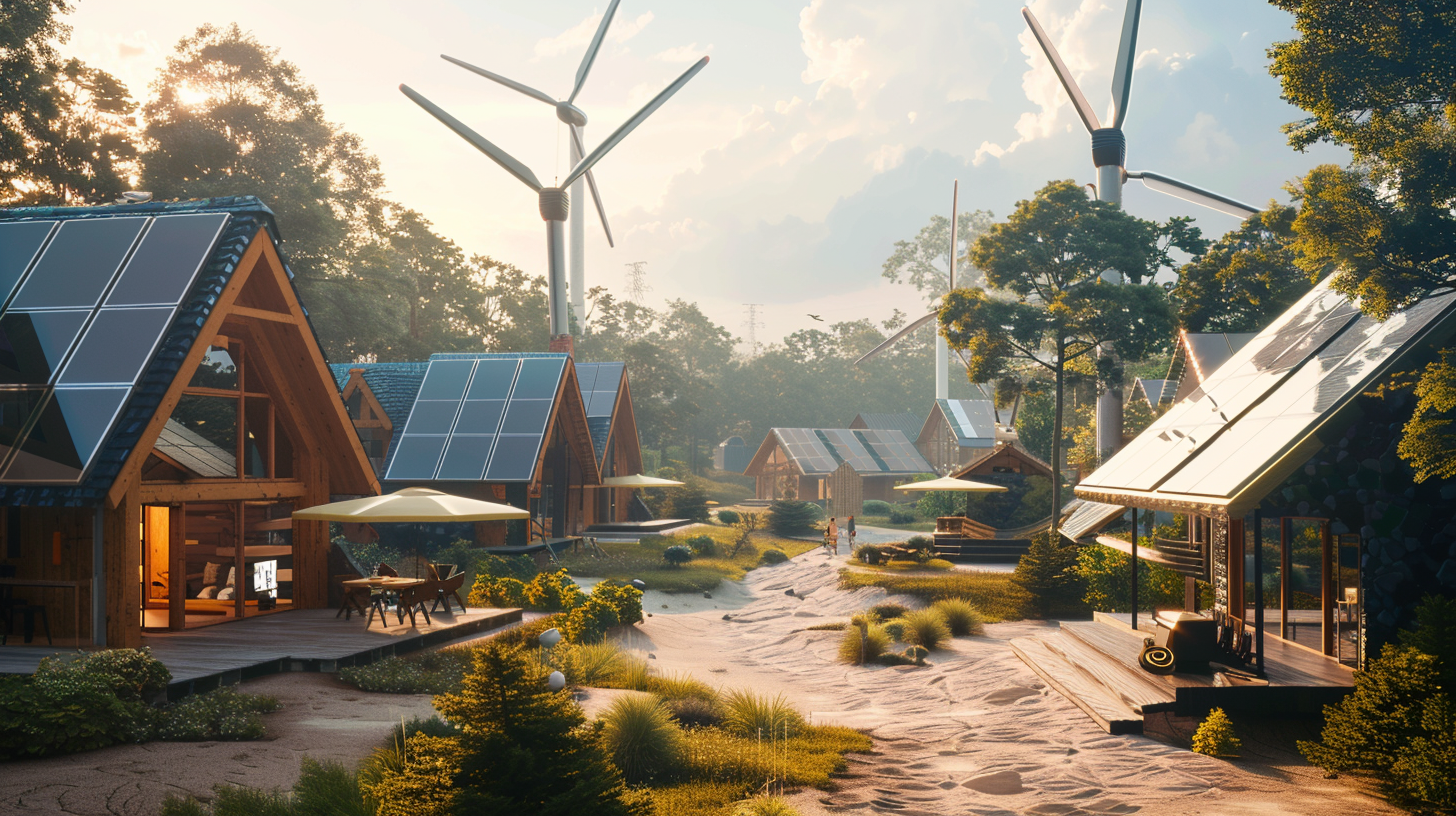
Technological advances and future innovations in solar energy
Technological advances in solar energy have been remarkable in recent years, leading to significant improvements in the efficiency of solar panels. With a focus on optimizing solar cells for the future, researchers and engineers have succeeded in increasing the average efficiency of commercial silicon-based solar cells from approximately 15%, which is an important step toward making solar energy even more accessible and cost-effective in Sweden and globally. This improvement means that future solar cells can convert more of the sun’s energy into electricity, increasing the potential for solar energy as a primary energy source for households and businesses. (Read more about improvements in solar panel efficiency)
To further drive progress and optimize the future of solar energy, researchers are working to:
- Developing new materials: By looking beyond traditional silicon technology, researchers are exploring the use of perovskites, a class of materials that has been shown to have higher light absorption capacity and could lead to solar cells with higher efficiency and lower manufacturing costs.
- Improving manufacturing processes: Innovations in manufacturing technologies, such as roll-to-roll production and 3D printing, have the potential to reduce the costs and time required to produce solar cells, making them more accessible to a broader market.
- Integrate smart technology: By combining solar cell technology with artificial intelligence and machine learning, systems can be optimized to predict and adapt to changes in weather and solar radiation, thereby streamlining energy production and distribution.These technological advances point to a bright future for solar energy, where solar cells will not only become more efficient but also more integrated into our daily lives. With continued research and development, we can expect solar energy to play an even greater role in the transition to a sustainable energy supply for all.