The green transition involves a shift toward an ecologically sustainable economy and growth that is not based on the overexploitation of natural resources and fossil fuels. This transition is essential to mitigating the climate and environmental crises, and can also serve as a driver of new growth and a sustainable economy.
The Ministry of the Environment is leading the transition through various measures, such as:
- Grants and funding for green investments
- Legislative developments to promote sustainability
- Policies Promoting Renewable Energy and the Circular Economy
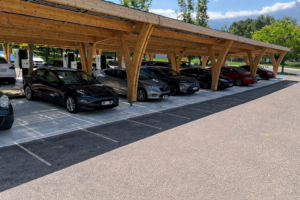
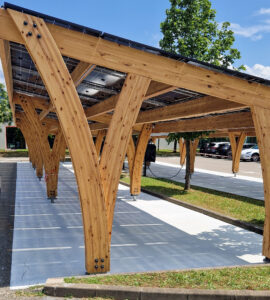
One example of such a measure is the fast-track procedure for permit processing from 2023 to 2026, which is intended to accelerate investments in renewable energy, such as solar carports, energy storage, low-carbon hydrogen, industrial electrification, and carbon capture.
The "Do No Significant Harm" (DNSH) principle is applied to ensure that the transition does not undermine other environmental objectives. Funding for the green transition is available through various channels, including grants, corporate financing, structural funds, and EU funding.
Renewable Energy in the Green Transition
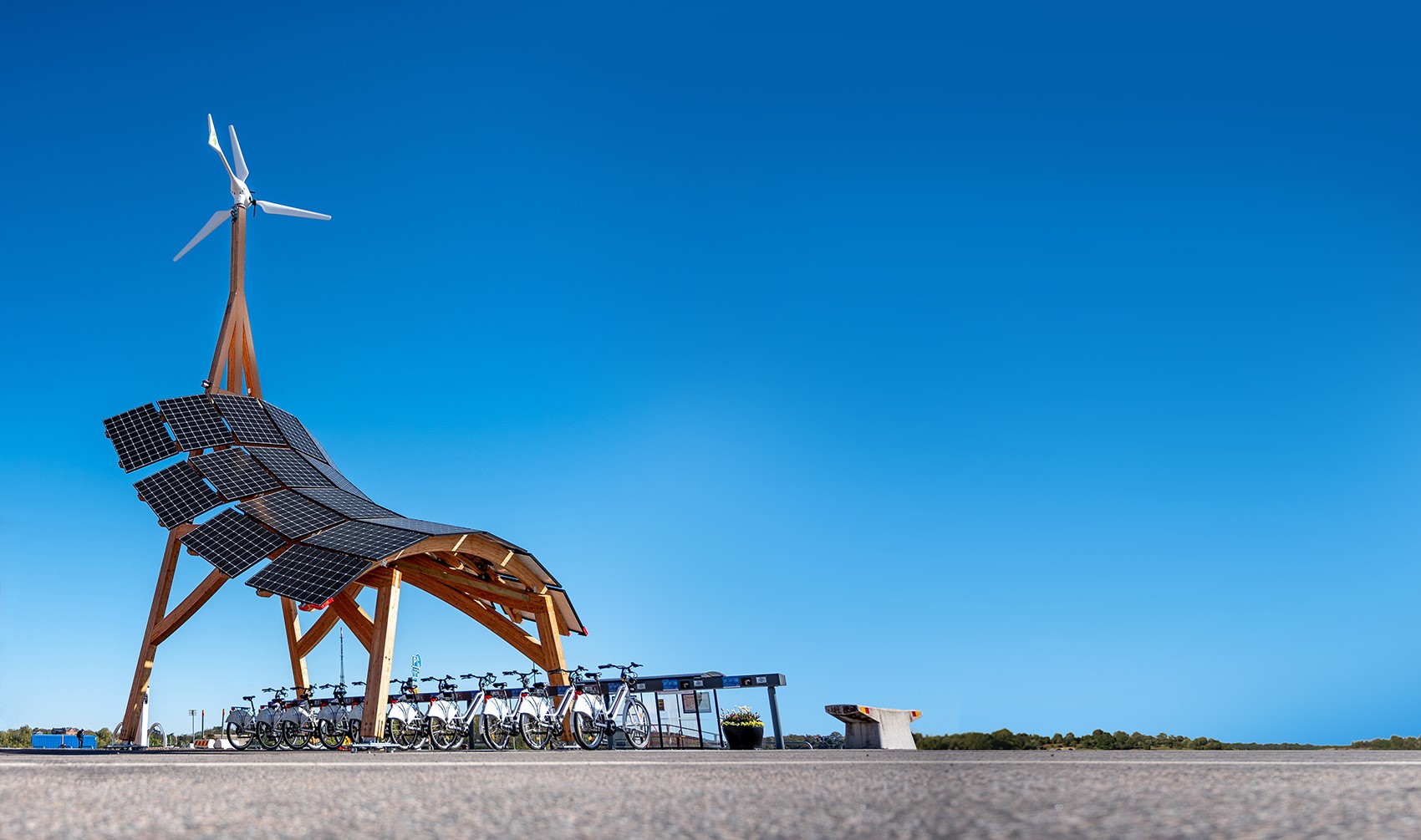
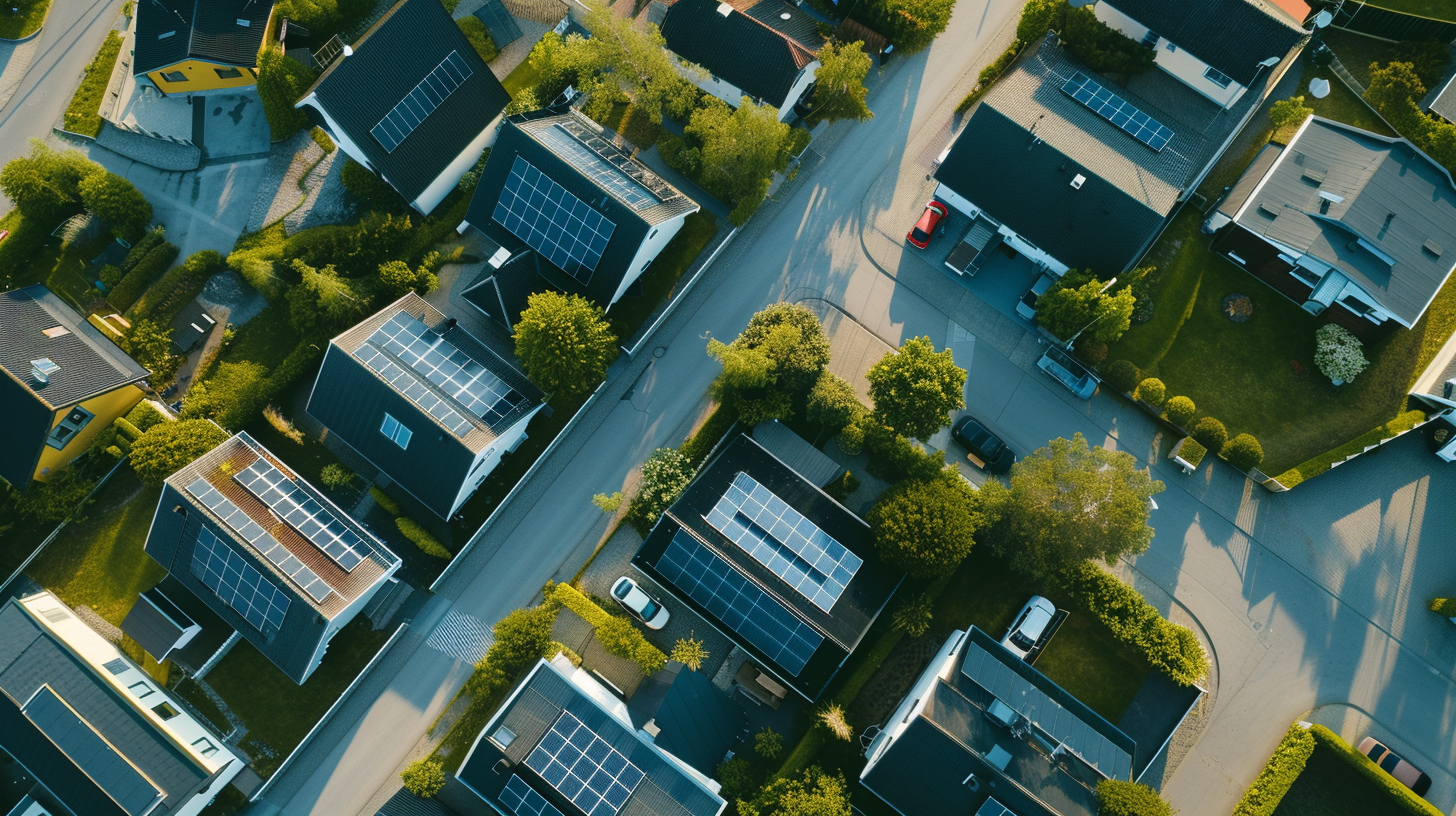
Renewable energy sources such as solar, wind, hydro, biomass, and geothermal energy are essential for the transition to a sustainable energy supply. Unlike fossil fuels such as oil and coal, renewable energy sources emit minimal amounts of greenhouse gases over their lifecycle.
In Sweden, more than half of the energy already comes from renewable sources, while the global figure is less than 20%.
The potential of solar and wind power is enormous—their technical potential is estimated to be five times the total global energy production. By investing in these sources, we can transition to an energy system based on renewable energy sources, in line with the EU’s goals.
Energy efficiency

Energy efficiency is essential for Sweden to achieve its environmental goals and create a sustainable energy system. Reduced energy consumption means that less energy needs to be supplied, which can lead to lower emissions of carbon dioxide, nitrogen oxides, sulfur dioxide, and particulate matter. Energy efficiency can be achieved through technical measures and behavioral changes, such as:
- Improved building insulation
- Choosing more energy-efficient systems and appliances, including for lighting and ventilation
- Training of operations and maintenance personnel in the energy-efficient use of equipment
- In industry, a shift toward technologies that use energy more efficiently, such as in engines and compressed air systems
The Environmental Code requires businesses to use energy and other resources efficiently and to prioritize renewable energy sources. Municipalities provide energy and climate counseling to help individuals, organizations, and small and medium-sized businesses reduce their energy consumption and adopt sustainable energy solutions.
The EU’s Ecodesign and Energy Labelling Directives set minimum energy performance requirements and mandate energy labelling for certain product categories in order to drive the development of more energy-efficient products.
Green transportation
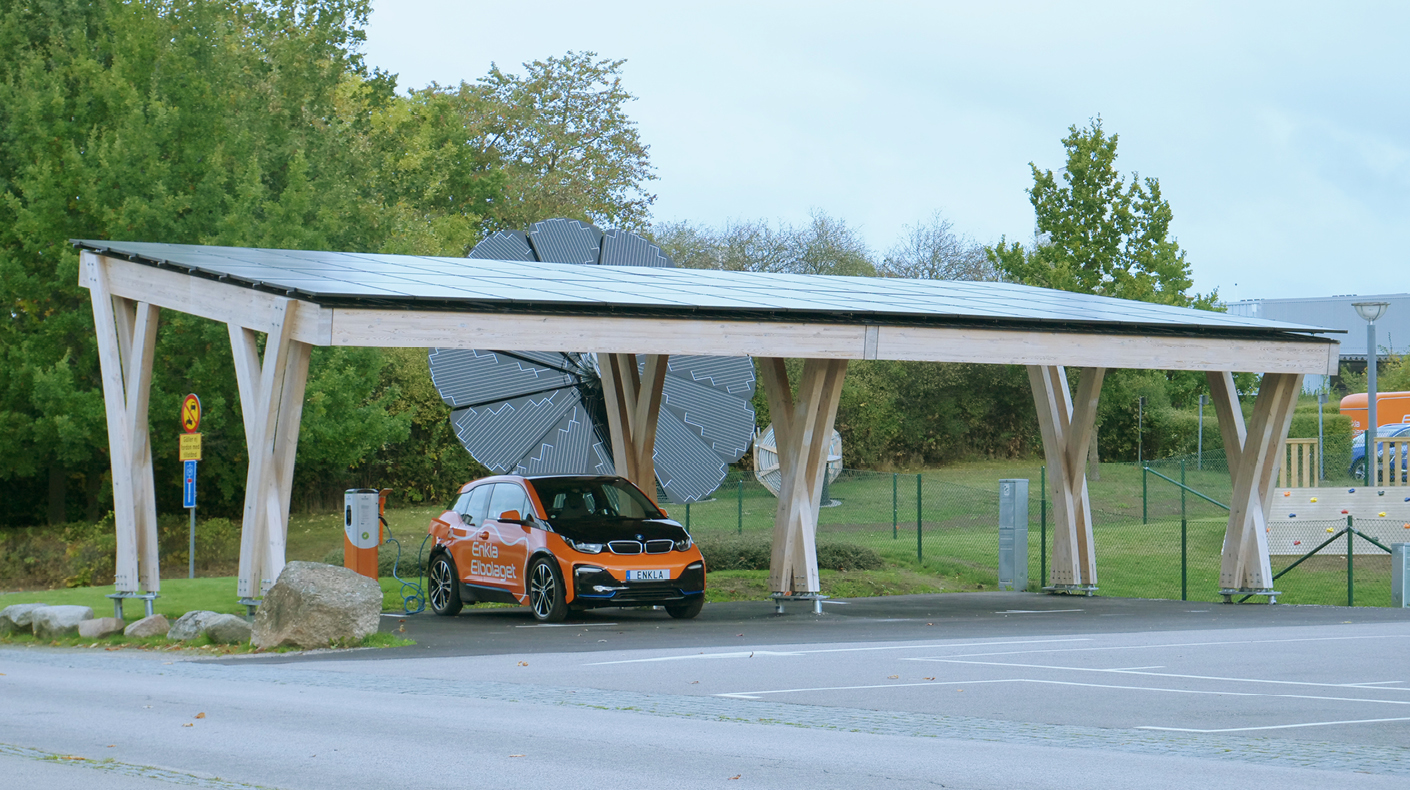
The shift to green transportation is a key part of the green transition. Here are a few examples of how companies are working to reduce emissions from transportation:
- Axfood has reduced emissions from its vehicle fleet by 20% over the past two years by using fossil-free alternatives such as rapeseed methyl ester, ethanol, electricity, and natural gas in its diversified fleet of 270 trucks.
- Axfood prioritizes transporting fruits and vegetables by train, ship, and truck to reduce emissions.
- DHL Freight offers the “SKICKA GRÖNT” service, which provides fossil-free* transport options within Sweden. For every kilometer shipped via SKICKA GRÖNT, DHL invests in more sustainable transport methods. Solar carports are a good example of an investment in renewable energy that can contribute to greener transportation.
- DanagårdLitho, a major printing company, is expected to switch to DHL’s SKICKA GRÖNT service for all its shipments, which will provide environmental benefits and demonstrate its commitment to sustainability.
Other ways to make transportation more sustainable include choosing energy-efficient modes of transport, using renewable fuels, improving energy efficiency, and avoiding unnecessary travel. Choosing local products and shifting from road to rail or water transport can also reduce emissions from freight transport.
Circular economy

The circular economy stands in contrast to the linear “take-make-dispose” economy. Instead, it aims to reuse and recycle materials for as long as possible. A key problem with the linear economy is the large-scale extraction of natural resources and the tendency for materials to become mixed and degraded, causing them to lose their economic value.
The first step is circular design—designing products that are easy to repair, upgrade, and reuse, rather than products that quickly break down. Barriers that must be overcome include higher repair costs compared to buying new, time-consuming processes for repairing or finding used products, and the lack of functioning markets for repair services and used goods.
Tracking and declaring chemicals in products is also a barrier to recycling, as a lack of information limits the amount of material that can be safely reused.
Countries such as Finland and Norway are working to transition to more circular economies, with measurable goals. Sweden has an action plan for the circular economy, but it lacks specific goals.
A solar carport is a good example of an investment in renewable energy that can contribute to a circular economy.